Source Circular Polarization UHF RFID Antennas for Warehouses, Parking, and Retail Stores
Compare circular polarization UHF RFID antenna listings from 30 products with gains from -10dBi to 12dBi, circular polarization, ISO18000-6b/6c protocol support, and reading distances over 10m. Review specs, connector types, and customization options to find antennas suited to warehouses, hospitals, banks, and parking systems.
Key considerations
Products List


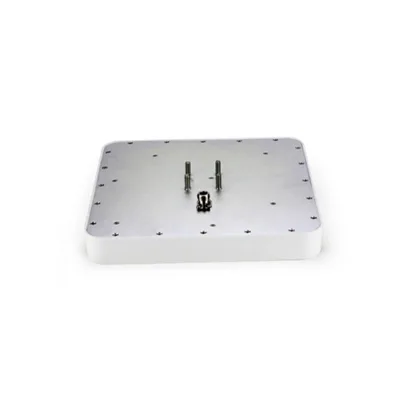
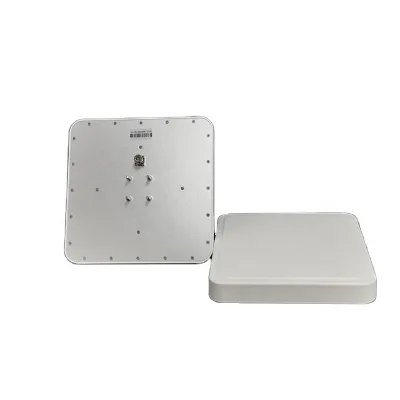


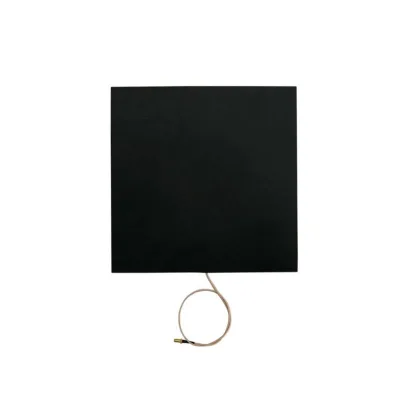
Comprehensive Sourcing Guide
Circular Polarization UHF RFID Antenna Sourcing Guide
Selecting the right circular polarization UHF RFID antenna requires a careful balance of technical performance, environmental durability, and commercial viability. These antennas are essential for applications where tag orientation is unpredictable, such as retail inventory management, warehouse logistics, and access control systems. Circular polarization ensures reliable reading performance regardless of how the RFID tag is positioned relative to the antenna, making it a superior choice for dynamic environments compared to linear polarization. Buyers must navigate a market with varying specifications, from compact indoor units to robust outdoor panels, to ensure the selected hardware meets their specific operational needs.
The procurement process involves verifying critical attributes such as gain, frequency bands, and connector types, which directly impact system range and compatibility. Observed market data indicates a wide range of product offerings, with prices varying significantly based on material construction and performance metrics. Understanding these variables is crucial for making informed purchasing decisions that align with budget constraints and technical requirements. This guide provides a structured approach to evaluating suppliers and products, ensuring that buyers can source high-quality circular polarization UHF RFID antennas with confidence.
Product Scope and Observed Listing Signals
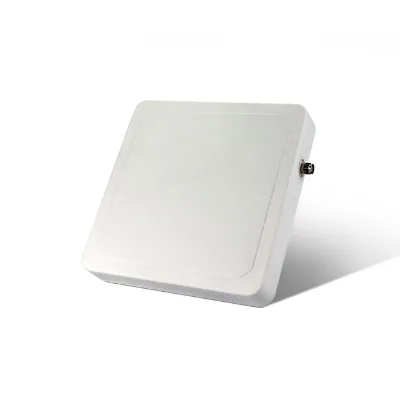
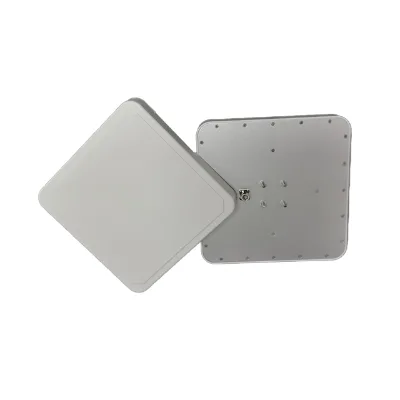
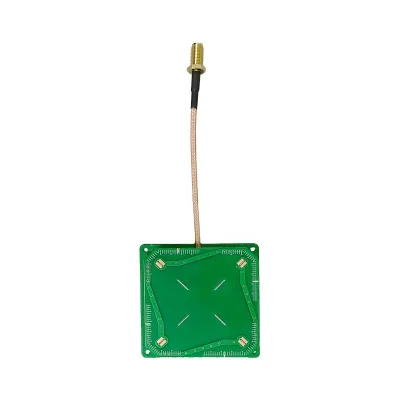
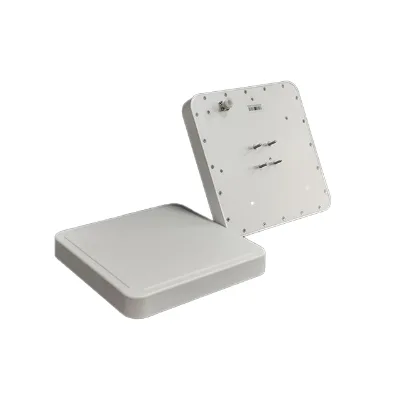
The current market for circular polarization UHF RFID antennas includes a diverse array of models designed for various installation scenarios. Products range from compact, low-gain units suitable for indoor shelving to high-gain panel antennas intended for outdoor or large-scale industrial use. For instance, listings indicate models with gains as low as 5.5 dBi, packaged in small dimensions like 140x120x20mm, which are ideal for space-constrained environments. Conversely, higher-gain options, such as those with 9 dBi or 12 dBi ratings, are available in larger form factors, often constructed from durable materials like aluminum or rubber to withstand harsher conditions.
Observed listing signals reveal significant variation in packaging and physical dimensions, which can impact shipping costs and installation logistics. Some products are supplied in standard export packing cartons with dimensions around 450x450x40mm, while others have more compact package sizes, such as 300x300x80mm or even smaller 160x160x30mm units. These differences in physical footprint and packaging are critical for buyers to consider when planning storage and deployment. Additionally, the presence of customization options suggests that suppliers can tailor certain aspects of the antenna, such as connector types or mounting methods, to fit specific client requirements.
Technical Specifications to Verify
When evaluating circular polarization UHF RFID antennas, buyers must prioritize frequency band compatibility and gain specifications. The antennas typically operate within the 865868MHz and 902928MHz ranges, covering the European and United States standards respectively. It is essential to verify that the selected antenna supports the specific frequency band required by the target market to ensure regulatory compliance and optimal performance. Gain values, which range from 5.5 dBi to 12 dBi in observed listings, directly influence the reading distance and coverage area. Higher gain antennas provide longer read ranges but may have narrower beamwidths, so buyers should match the gain to their specific application needs, whether it be broad coverage or focused reading zones.
Connector types and impedance are other critical technical specifications that must be verified to ensure system compatibility. Most observed antennas feature N Female connectors, which are standard in the industry, but buyers should confirm that these match their existing reader hardware. Impedance is typically 50 ohms, a standard value for RF systems, but deviations can lead to signal loss and reduced performance. Additionally, the nature of operation, whether the antenna is designed for transmitting, receiving, or both, should be confirmed. Some models are specified as directional antennas, which focus energy in a specific direction, while others may be omnidirectional, providing 360-degree coverage. Buyers should also check the input power maximum, which can range up to 100W, to ensure the antenna can handle the power output of their readers without damage.
Compliance and Safety Documentation
Compliance with international standards is paramount for UHF RFID antennas, particularly regarding radio frequency emissions and safety. Buyers should verify that the antennas comply with relevant regional regulations, such as ETSI in Europe and FCC in the United States, which govern the use of UHF frequencies. While specific certification documents may not always be listed, suppliers should be able to provide evidence of compliance with standards like ISO 18000-6b/6c (EPC C1g2), which defines the air interface protocols for UHF RFID systems. Ensuring that the antenna meets these protocol standards is crucial for interoperability with other RFID components in the system.
Safety documentation should also include information on environmental resilience and physical durability. Antennas intended for outdoor use, such as those with ABS radomes or PVC covers, should be rated for extreme weather conditions. Buyers should look for specifications regarding operational humidity, which can range from 10-95%, and rated wind velocity, which may be as high as 36.9m/s or even 60m/s for robust models. These ratings indicate the antenna's ability to withstand environmental stressors, ensuring long-term reliability. Additionally, lighting protection features, such as DC ground, should be verified for antennas installed in areas prone to electrical surges or lightning strikes.
Cost Drivers and Commercial Terms
The cost of circular polarization UHF RFID antennas is influenced by several factors, including gain, material, and customization options. Higher gain antennas, such as those with 12 dBi, typically command higher prices due to the increased complexity of their design and the materials used. Similarly, antennas constructed from durable materials like aluminum or rubber may be more expensive than those made from plastic or other composites. Customization options, such as specific connector types or mounting methods, can also add to the cost, as they require additional manufacturing steps and potentially longer lead times.
Commercial terms, including minimum order quantities (MOQ) and payment terms, vary among suppliers. Observed MOQs range from 1 to 10 units, indicating that some suppliers are willing to accommodate small orders, which is beneficial for prototyping or small-scale deployments. Buyers should negotiate payment terms that align with their cash flow needs, such as partial upfront payments or net-30 terms. Additionally, shipping costs and lead times should be considered, as these can impact the total cost of ownership. Suppliers located in regions like Shenzhen or Guangdong China may offer competitive pricing due to lower manufacturing costs, but buyers should also factor in potential import duties and logistics expenses.
Supplier Qualification and Quality Control
Evaluating supplier qualification is essential to ensure the reliability and quality of circular polarization UHF RFID antennas. Buyers should assess the supplier's manufacturing capabilities, including their production capacity and quality control processes. Suppliers with established facilities in regions like Shenzhen or Guangdong China may have more experience in producing RF components, but buyers should verify their track record and customer references. It is also important to check if the supplier offers customization services, as this can indicate a higher level of technical expertise and flexibility.
Quality control measures should include rigorous testing of the antennas to ensure they meet specified performance criteria. Buyers should request test reports or certificates of conformity that verify key parameters such as gain, frequency response, and impedance. Additionally, suppliers should have procedures in place for inspecting raw materials and finished products to prevent defects. Buyers should also consider the supplier's after-sales support, including warranty terms and technical assistance, as these can be crucial for resolving issues that may arise during installation or operation. Establishing a strong relationship with a qualified supplier can help mitigate risks and ensure a smooth procurement process.
Long-Term Procurement Checks
Long-term procurement success depends on the ability to monitor and adapt to changes in technology and market conditions. Buyers should regularly review their antenna performance in the field to identify any issues related to range, reliability, or compatibility. This feedback can inform future purchasing decisions and help buyers stay ahead of technological advancements in UHF RFID systems. Additionally, buyers should maintain open communication with their suppliers to stay informed about new product offerings and potential improvements in existing models.
Supply chain resilience is another critical aspect of long-term procurement. Buyers should diversify their supplier base to reduce the risk of disruptions caused by geopolitical events, natural disasters, or other unforeseen circumstances. Establishing multiple sourcing options can also provide leverage in negotiations and help secure better pricing and terms. Finally, buyers should periodically reassess their technical requirements to ensure that their antenna selections remain aligned with their operational needs. As RFID technology evolves, staying informed about emerging trends and best practices will help buyers make informed decisions that support their long-term business goals.
FAQs
What is the reading distance of this antenna?
The reading distance exceeds 10 meters for effective operation. This performance is achieved with the specified UHF frequency range and 9dBi gain configuration suitable for various applications.
Which frequency bands does the antenna support?
The antenna operates on 865 to 868 MHz and 902 to 928 MHz bands. These frequencies cover both EU and US regions to ensure global compatibility for RFID systems.
Can the product be customized for specific needs?
Yes, customization is available for this antenna model. Buyers can request specific adjustments to meet unique project requirements while maintaining core performance standards.
What is the gain value for the circular antenna?
The antenna offers a gain of 9dBi for optimal signal strength. Some variants provide 5.5dBi or 12dBi depending on the specific model selected for the application.
How is the antenna installed on a pole?
Installation involves holding the antenna on a pole using the provided method. The design supports secure mounting in environments like banks, hospitals, or parking facilities.
What protocol does the antenna follow?
The device follows the ISO18000-6b and 6c EPC C1g2 protocols. This ensures reliable communication with RFID tags across different industrial and commercial settings.
Where is the product manufactured?
The product originates from Shenzhen, China. This location ensures access to established manufacturing capabilities for high-quality RFID antenna production.